Understanding Maine Coon Queens
- Daimien Brown
- Dec 1, 2025
- 5 min read

Maine Coon cats are known for their impressive size, friendly nature, and luxurious coats. Among them, Maine Coon queens hold a special place, especially for breeders and cat enthusiasts. These female cats are not only beautiful but also require specific care to ensure their health and happiness. This article will guide you through everything you need to know about Maine Coon queen care, from their unique characteristics to practical tips for nurturing them.
The Unique Characteristics of Maine Coon Queens
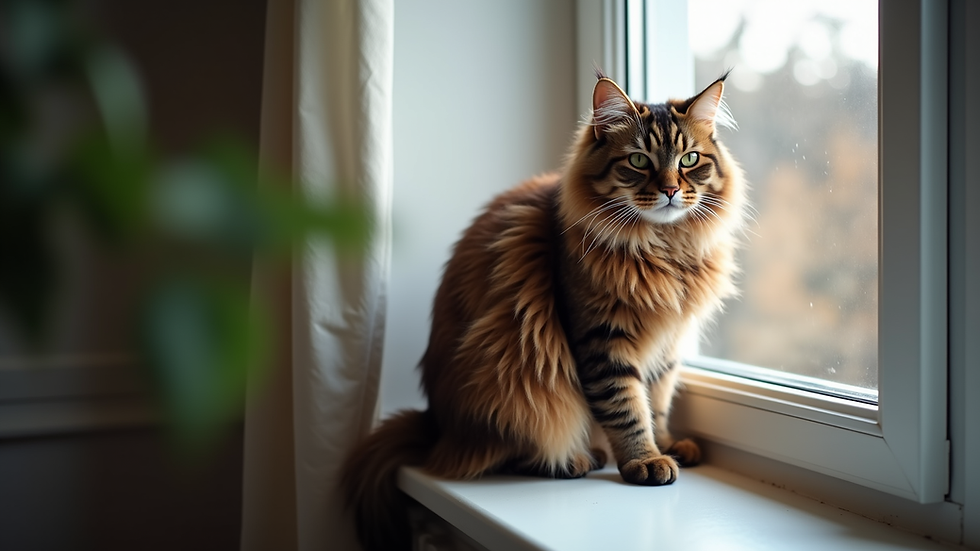
Maine Coon queens are female Maine Coon cats, often prized for their breeding potential. They typically have the same large size and tufted ears as their male counterparts but may be slightly smaller. Their coats are thick and water-resistant, with a ruff around the neck that resembles a lion’s mane. This breed is known for its gentle temperament, intelligence, and playful personality.
One of the most notable features of Maine Coon queens is their adaptability. They thrive in various environments, from busy households to quiet homes. Their social nature makes them excellent companions, and they often get along well with children and other pets.
When caring for a Maine Coon queen, it is essential to understand their physical and emotional needs. Their large size means they require more space and exercise than smaller cats. Additionally, their long fur needs regular grooming to prevent matting and skin issues.

Essential Maine Coon Queen Care Tips
Proper care for a Maine Coon queen involves attention to diet, grooming, health, and environment. Here are some practical recommendations to keep your queen healthy and happy:
Nutrition
Maine Coon queens need a balanced diet rich in protein to support their muscular build. High-quality cat food formulated for large breeds is ideal. If your queen is pregnant or nursing, her nutritional needs will increase, so consult your vet for the best feeding plan.
Grooming
Due to their thick coats, Maine Coon queens require regular brushing, ideally 2-3 times a week. This helps prevent tangles and reduces shedding. Use a wide-toothed comb and a slicker brush to reach through the dense fur. Regular grooming also allows you to check for skin problems or parasites.
Health Monitoring
Routine veterinary check-ups are crucial. Maine Coon queens can be prone to certain genetic conditions such as hypertrophic cardiomyopathy (HCM) and hip dysplasia. Early detection through screening can improve outcomes. Vaccinations, parasite control, and dental care should also be part of their health regimen.
Environment and Exercise
Provide plenty of space and opportunities for exercise. Maine Coon queens enjoy climbing and exploring, so cat trees and interactive toys are beneficial. Mental stimulation is equally important, so consider puzzle feeders or training sessions to keep them engaged.
Breeding Considerations
If you plan to breed your Maine Coon queen, ensure she is healthy and mature enough, usually around 2 years old. Breeding should be done responsibly, with attention to genetics and the health of both the queen and the kittens.
For more detailed guidance on caring for your Maine Coon queen, visit maine coon queens.
What is the Most Rare Maine Coon Color?
Maine Coons come in a wide variety of colours and patterns, but some are much rarer than others. The most rare Maine Coon colour is generally considered to be amber. This unique colour is a deep, rich golden hue that is not commonly seen in the breed.
Amber Maine Coons have a distinctive eye colour as well, often copper or gold, which complements their coat beautifully. This colour is the result of a specific genetic mutation and is highly sought after by breeders and collectors.
Other rare colours include:
Chocolate and cinnamon – These warm brown shades are less common.
Silver shaded – A striking pattern with a silver base and darker tips.
Blue – A solid grey-blue colour that is elegant but less frequent.
Understanding the rarity of these colours can help potential owners and breeders make informed decisions when selecting a Maine Coon queen or kitten.

Common Health Issues in Maine Coon Queens and How to Prevent Them
Maine Coon queens, like all cats, can face health challenges. Being aware of these issues and taking preventive measures can ensure a long, healthy life for your feline friend.
Hypertrophic Cardiomyopathy (HCM)
HCM is a common heart disease in Maine Coons. It causes thickening of the heart muscle, which can lead to heart failure. Regular cardiac screenings by a vet are essential, especially if you plan to breed your queen.
Hip Dysplasia
This genetic condition affects the hip joints and can cause arthritis and mobility problems. Maintaining a healthy weight and providing joint supplements can help reduce the risk.
Polycystic Kidney Disease (PKD)
PKD causes cysts to form in the kidneys, leading to kidney failure. Genetic testing is available to identify carriers and prevent passing this condition to offspring.
Parasites and Infections
Regular parasite control and vaccinations protect against common infections. Keep your queen’s living area clean and monitor for any signs of illness.
Dental Disease
Dental problems are common in cats and can affect overall health. Regular teeth brushing and professional cleanings are recommended.
By staying proactive with veterinary care and maintaining a healthy lifestyle, you can help your Maine Coon queen avoid these common health issues.
Creating a Comfortable Home for Your Maine Coon Queen
Maine Coon queens thrive in environments that cater to their physical and emotional needs. Here are some tips to create a comfortable and stimulating home:
Provide vertical space: Cat trees, shelves, and window perches allow your queen to climb and observe her surroundings.
Offer cozy resting spots: Soft beds and blankets in quiet areas help your cat relax.
Maintain a clean litter area: Maine Coons are particular about cleanliness, so scoop litter trays daily and change litter regularly.
Use interactive toys: Toys that mimic prey, such as feather wands or laser pointers, encourage natural hunting behaviours.
Ensure social interaction: Spend quality time playing and cuddling to strengthen your bond.
By tailoring your home to your Maine Coon queen’s needs, you promote her well-being and happiness.
The Joy of Living with a Maine Coon Queen
Owning a Maine Coon queen is a rewarding experience. Their affectionate nature and playful spirit make them wonderful companions. With proper care, these majestic cats can live up to 12-15 years or more.
Remember, every Maine Coon queen is unique. Observing her behaviour and preferences will help you provide the best care possible. Whether you are a first-time cat owner or an experienced breeder, understanding the needs of your Maine Coon queen is key to a fulfilling relationship.
For more information on maintaining the health and cleanliness of your Maine Coon queen, check out maine coon queens.
By following these guidelines and embracing the special qualities of Maine Coon queens, you can enjoy the companionship of one of the most magnificent cat breeds in the world.


Comments